Heat-Resilient Ecotourism Destinations: Which Countries Are Actually Climate-Proofing Their Tourism Infrastructure
Which countries are truly climate-proofing their tourism infrastructure? A data-driven guide to heat-resilient ecotourism destinations for the conscious traveler.
By La rédaction de Ecotourism Destinations
·10 min read
In this article
TL;DR
- Several countries — including Costa Rica, New Zealand, Norway, Bhutan and Portugal — have embedded climate-adaptation clauses directly into national tourism strategies, not just sustainability pledges.
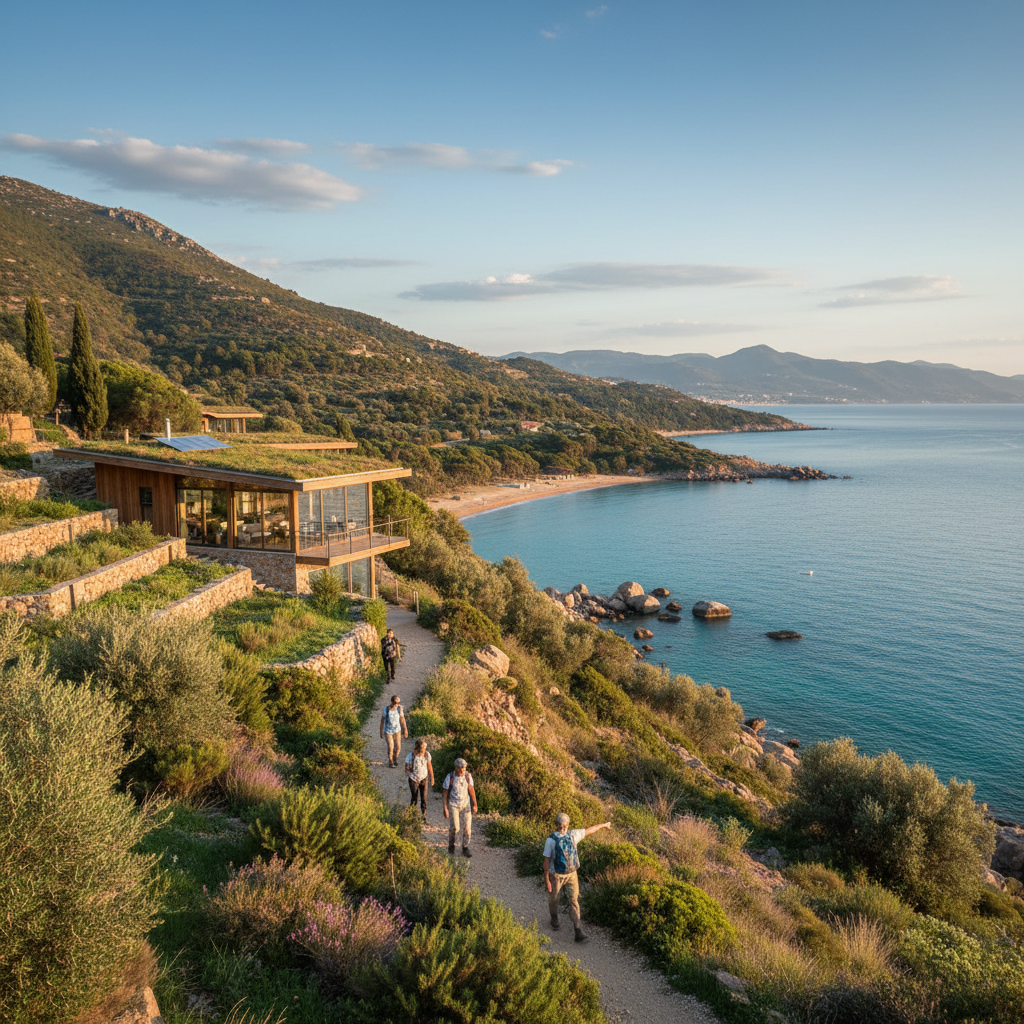
- Thermal comfort in sustainable tourism is now a measurable design standard: passive cooling, bioclimatic architecture and shaded trail networks are replacing air-conditioning retrofits.
- Ecotourism destinations facing extreme heat — southern Europe, Southeast Asia, East Africa — are diverging: some are innovating rapidly, others are losing seasons to unsafe temperatures.
- Booking the 'coolest' destination is no longer purely about altitude or latitude: governance quality, biodiversity buffer zones and community infrastructure investment matter as much as geography.
- Travelers can use three concrete indicators — national adaptation plan status, ecolabel scope, and water-management certification — to assess any destination's real climate resilience before booking.
Why Heat Resilience Has Become the New Baseline for Responsible Travel
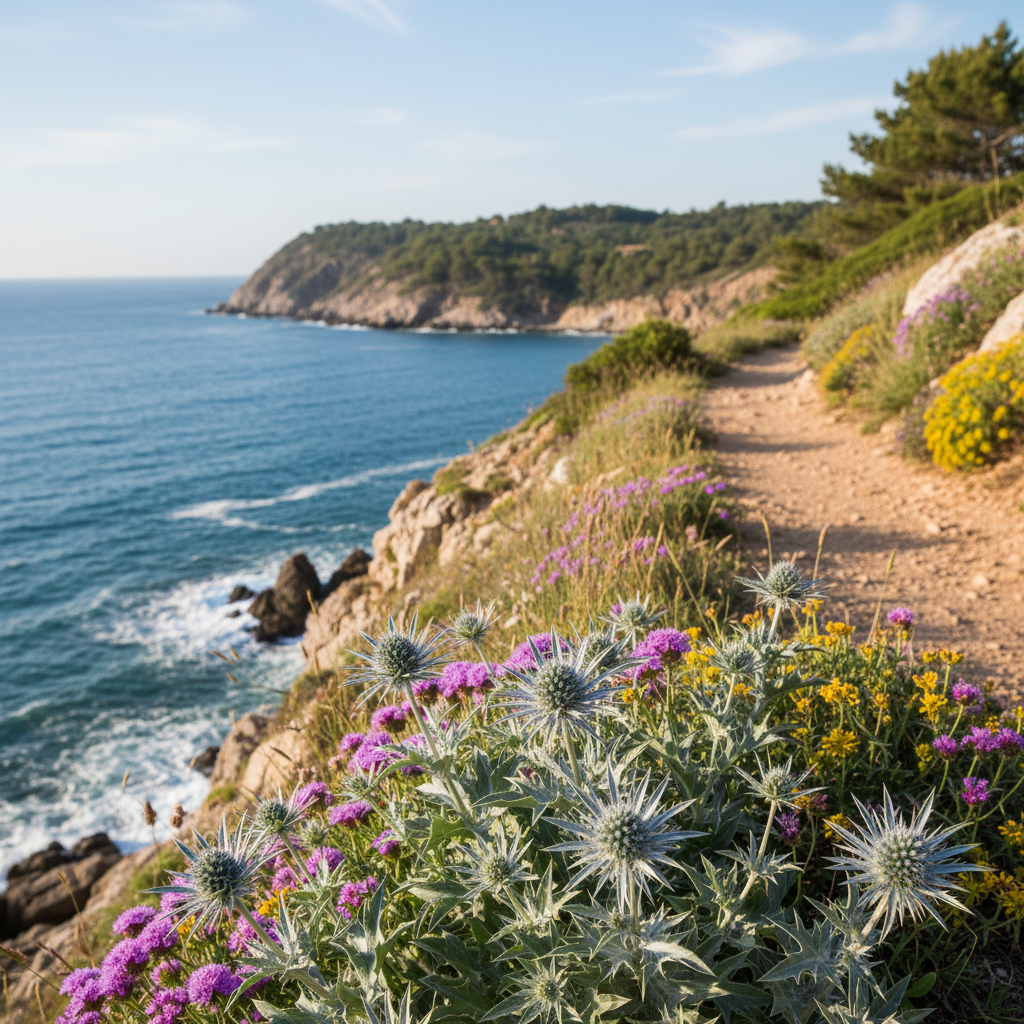
The summer of 2023 was the hottest on record for Europe, with peak temperatures exceeding 47 °C in parts of southern Spain and Sicily (source: Copernicus Climate Change Service, 2023). Tourism arrivals in affected zones dropped by an estimated 12–18% during the most extreme weeks, according to UNWTO tracking data. For travelers who care about ecological impact, this creates a compounding problem: heat drives demand toward cooler, often more ecologically fragile zones, intensifying pressure on habitats already stressed by drought.
Climate-proofing tourism infrastructure is therefore not a luxury add-on. It is quickly becoming the dividing line between destinations that remain viable for responsible travel over the next decade and those that will cycle through boom-and-collapse patterns driven by extreme weather. The good news is that a small but growing cohort of countries is treating this challenge seriously — with measurable action, not just pledges.
The Countries Leading on Climate Adaptation for Tourism
Costa Rica: Biodiversity as Infrastructure
Costa Rica's National Decarbonization Plan, updated in 2022, explicitly links tourism competitiveness to ecosystem health (source: Ministerio de Ambiente y Energía de Costa Rica, 2022). The country protects approximately 26% of its land area in national parks and reserves, which function as natural thermal buffers — forest canopy reducing perceived temperatures by 4 to 8 °C compared to open terrain (source: IPCC AR6 Working Group II, 2022). Ecotourism lodges certified under the Certification for Sustainable Tourism (CST) programme — managed by the Costa Rican Tourism Board (ICT) — must demonstrate water efficiency, waste reduction and community employment to retain their rating, giving travelers a verifiable proxy for resilience investment.
New Zealand: Infrastructure Investment With a Statutory Backbone
New Zealand's Tourism Sustainability Commitment, overseen by Tourism Industry Aotearoa, requires signatories to publish annual progress on environmental, economic and community indicators. More concretely, the Department of Conservation spent NZD 226 million on conservation infrastructure between 2020 and 2023, including trail hardening, accessible water points and heat-exposed hut upgrades on major Great Walks (source: Department of Conservation New Zealand, 2023). The temperate climate of the South Island and the fiordland region provides a structural thermal advantage, but the government is not coasting on geography: it is investing in the physical infrastructure that makes remote ecotourism safe during anomalous heat events.
Bhutan: The High-Value, Low-Volume Model as Climate Strategy
Bhutan's Sustainable Development Fee — raised to USD 200 per visitor per night in 2022 (source: Tourism Council of Bhutan, 2022) — is explicitly designed to limit visitor numbers, reducing infrastructure stress and ecological pressure simultaneously. At elevations averaging above 2,000 metres, the kingdom's core trekking circuits maintain naturally cooler microclimates. Revenue from the fee funds carbon-neutral commitments and community infrastructure, making Bhutan's model arguably the most defensible against heat-related tourism disruption of any destination in Asia.
Norway: Combining Cool Climate With Active Infrastructure Design
Norway already benefits from northern latitude, but the country is not passive about climate adaptation. Visitnorway.com's official certification framework Eco-Lighthouse (Miljøfyrtårn) covers over 8,000 certified enterprises, including accommodations and tour operators, who must demonstrate energy consumption reductions and climate preparedness annually (source: Stiftelsen Miljøfyrtårn, 2024). Norway's fjord routes are investing in zero-emission ferry infrastructure: by 2026, all ferry routes on national tender contracts must be zero-emission (source: Norwegian Ministry of Climate and Environment, 2022), directly reducing heat-island effects from fossil fuel combustion in enclosed fjord microclimates.
Portugal and the Azores: Bioclimatic Innovation Under Pressure
Portugal faces a genuine paradox. Mainland Portugal recorded temperatures above 47 °C in the summer of 2022 (source: IPMA — Instituto Português do Mar e da Atmosfera, 2022), making peak-season travel in the Alentejo and Algarve increasingly uncomfortable and ecologically risky. The government's response has been to actively promote the Azores archipelago as a year-round alternative: average summer temperatures stay between 22 and 26 °C, volcanic geology supports geothermal heating in lodges, and the regional government has capped cruise ship arrivals and restricted short-term rental density in fragile zones. SATA airlines operates newer fuel-efficient aircraft on inter-island routes, and the Azores Regional Government publishes an annual sustainability report under the EDEN (European Destinations of Excellence) framework.
What Thermal Comfort in Sustainable Tourism Actually Means in Practice
Thermal comfort is not simply about air temperature. Researchers in bioclimatic tourism use the Physiological Equivalent Temperature (PET) index, which factors in solar radiation, wind speed, humidity and air temperature together. A PET above 41 °C is classified as "very hot stress" and correlates with significant reductions in time spent outdoors and visitor satisfaction (source: IPCC AR6, 2022).
For ecotourism infrastructure, thermal comfort improvements take several concrete forms:
- Bioclimatic architecture: lodges designed with cross-ventilation, thick rammed-earth or stone walls, deep overhangs and reflective roofing can maintain interior temperatures 6 to 10 °C below ambient air temperature without mechanical cooling (source: ADEME, 2023).
- Shaded trail corridors: destinations in Costa Rica, Bhutan and Malaysia's Danum Valley are maintaining and expanding forest canopy specifically along visitor trails, with direct thermal comfort benefits documented at 4 to 8 °C PET reduction.
- Timed access systems: several Mediterranean natural parks now restrict trail access between 11:00 and 16:00 during July and August, reducing both ecological stress and visitor heat exposure — a measure endorsed by the European Environment Agency in its 2023 adaptation guidance.
- Water infrastructure: reliable potable water access on trails, natural swimming points and misting zones in visitor centres reduce heat stress risk materially.
Ecotourism Destinations Facing Extreme Heat: Where the Risk Is Real
Not every destination is adapting successfully. Travelers should be aware of zones where heat risk is accelerating faster than infrastructure response.
Southeast Asia: Compressed Windows
Thailand, Cambodia and Vietnam — major ecotourism markets — are experiencing compression of their "comfortable" travel windows. Bangkok's mean maximum temperature in April now regularly exceeds 36 °C, with heat index values above 45 °C (source: Thai Meteorological Department, 2024). Mangrove and forest ecotourism in low-lying coastal zones faces compounded threats from heat, flooding and coral bleaching. Some operators in northern Thailand's Chiang Rai province are adapting by shifting guided treks to pre-dawn starts and investing in shaded base camps, but national-level infrastructure investment remains limited.
East Africa: Altitude Advantages and Governance Gaps
Kenya and Tanzania retain a structural advantage in highland safari zones — the Masai Mara and Serengeti operate at 1,500 to 1,800 metres altitude — but lowland coastal destinations face growing heat pressure. Kenya's Nationally Determined Contribution (NDC), updated in 2022 (source: Kenya Ministry of Environment, 2022), includes specific adaptation measures for the tourism sector, but implementation on the ground varies significantly between national park authorities and private conservancies.
Southern Europe: Shoulder Season as the New Main Season
The EU's European Climate Adaptation Platform (Climate-ADAPT) has documented a clear shift in optimal travel windows for Mediterranean destinations: May–June and September–October are replacing July–August as the thermally viable core season for outdoor ecotourism (source: European Environment Agency / Climate-ADAPT, 2023). Destinations that have adapted their marketing, staffing and infrastructure to a two-peak shoulder model — including Slovenia's Triglav National Park and Croatia's Plitvice Lakes — are managing the transition better than those still reliant on August peak revenues.
Three Indicators Travelers Can Use to Assess Climate Resilience Before Booking
Assessing a destination's real climate-proofing efforts does not require specialist knowledge. Three public, verifiable indicators give a reliable picture:
- National Adaptation Plan (NAP) status with a tourism chapter: the UNFCCC NAP Central registry lists all countries that have submitted adaptation plans. Destinations whose NAPs explicitly address tourism infrastructure are more likely to have translated policy into funded action.
- Ecolabel scope and enforcement: certifications like Costa Rica's CST, New Zealand's Qualmark Enviro, Nordic Swan and the Global Sustainable Tourism Council (GSTC) criteria require annual audited renewals. Destinations with high ecolabel penetration among accommodations tend to have stronger overall climate preparedness.
- Water-management certification: in heat-stressed destinations, water scarcity is the first infrastructure failure point. Lodges and operators holding ISO 14001 environmental management certification — which includes water-use auditing — provide a credible signal of operational resilience.
How to Travel Smarter in a Hotter World
Choosing a heat-resilient ecotourism destination is not about avoiding warmth entirely — it is about choosing places where the human and natural systems are genuinely prepared to host visitors without degrading under thermal stress. Practically, this means:
- Shift your windows: wherever possible, plan travel for shoulder seasons. European destinations see 15 to 25% lower footfall and significantly lower temperatures in May and October compared to July (source: European Environment Agency, 2023).
- Prioritise altitude and forest coverage: destinations above 1,500 metres with intact forest cover offer structural thermal advantages that no amount of infrastructure can replicate in lowland destinations.
- Ask operators direct questions: a credible ecotourism operator should be able to tell you what their lodge's cooling strategy is, where their water comes from, and what they do when a heat alert is issued.
- Check travel health advisories: national health agencies — including the UK's FCDO, the US CDC and France's DGS — now publish heat-health travel advisories alongside traditional security guidance. These are updated seasonally and are worth consulting for high-risk zones.
- Support locally led conservation: the most climate-resilient destinations are typically those where local communities have a direct economic stake in maintaining ecosystems. Booking through community-run operators channels revenue where it builds long-term resilience.
The intersection of climate adaptation and ecotourism is no longer a niche concern. It is the central question facing every traveler who wants their trip to remain meaningful — both to themselves and to the places they visit — as the planet continues to warm.
FAQ
Ecotourism Destinations est édité par ENN Consulting SAS
Recommended reads
More in Sustainable destination guides →
Hotel stay length carbon footprint : Hotel Stay Length and
How many nights you stay reshapes your trip's carbon footprint more than you think. Discover the 7-day threshold and how transport amortization changes everything.

Biodiversity corridors ecotourism Europe : Biodiversity
Which European regions protect the most land through eco-hotels and biodiversity corridors? A data-driven guide for ecotravelers seeking real impact.
Air conditioning energy use ecotourism mediterranean : Air
How air conditioning energy demand reshapes ecotourism seasonality in Mediterranean destinations — and what travellers can do to visit more sustainably.